Ms. Shekarau is the first ever elected female Chairperson of the Abuja NBA in its over 36 years of existence
Barrister Hauwa Evelyn Shekarau has been elected Chairperson of the Nigerian Bar Association (NBA), Abuja Branch.

Barrister Hauwa Evelyn Shekarau has been elected Chairperson of the Nigerian Bar Association (NBA), Abuja Branch.
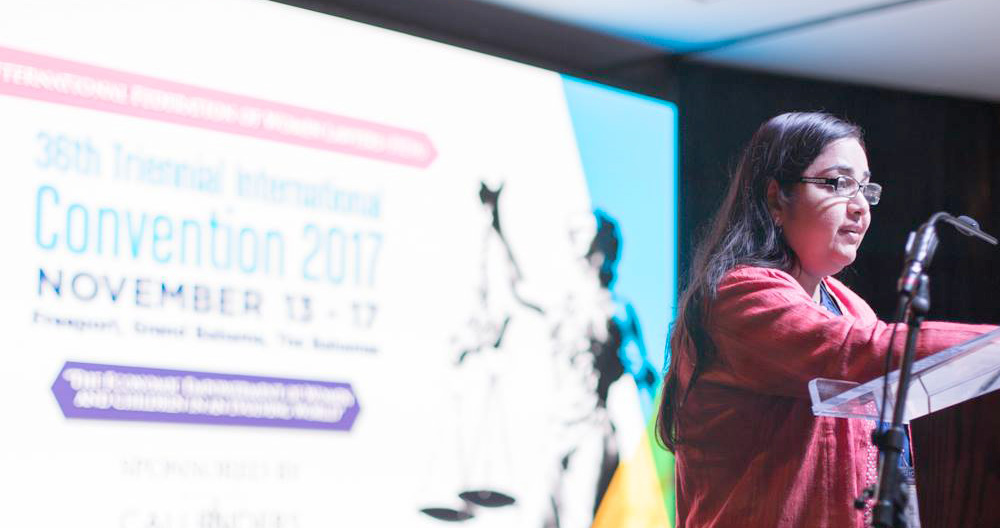
The 36th Convention of the International Federation of Women Lawyers (FIDA) took place in The Grand Lucayan Resort, Freeport, Grand Bahama – The Bahamas from the November 13th – 17th 2017.
With the theme “The Economic Empowerment of Women and Children in an Evolving World”, throught presentations and panel discussions on various topics, our members and participants deliberated on:


Full gallery of the event courtesy of FIDA’s The Bahamas chapter.

By Lillian Okenwa
Legal protections for women have expanded across much of the world over the past generation. Yet for millions, the greatest challenge is no longer whether rights exist, but whether those rights can be turned into meaningful protection when they are needed most.
The courthouse opens at nine o’clock.
By then, she has already travelled for hours. She has borrowed money for transport, arranged for someone to care for her children and missed another day’s income. When her case is finally called, it lasts only a few minutes before another adjournment sends her home with little more than a new date written on a piece of paper.
Her story could unfold almost anywhere.
She may be seeking protection from domestic violence. She may be fighting for custody of her children, equal pay, inheritance, protection from workplace harassment or recognition of land rights. The details differ from one country to another, but the experience is remarkably familiar. Having rights and being able to rely on them are not always the same thing.
That gap deserves far more attention than it often receives.
Across the world, governments have adopted stronger laws to protect women. Courts have delivered landmark judgments that have expanded constitutional rights. International agreements have reinforced commitments to equality, non-discrimination and protection from violence. On paper, the legal landscape has changed significantly.
For many women, however, the journey from legal promise to practical justice remains long, uncertain and, in some cases, impossible.
The reasons are rarely identical. In one country, the nearest court may be hundreds of kilometres away. Elsewhere, legal representation is beyond the reach of ordinary families. Some women abandon their cases because proceedings stretch over several years. Others are discouraged by fear, social stigma or economic dependence. Refugees may struggle with documentation. Women living with disabilities may face physical barriers before they even reach a courtroom.
No single obstacle explains why justice remains elusive. More often, it is the accumulation of small barriers, each making the next step a little harder, until many simply stop trying.
That reality reminds us that justice is measured not only by the quality of a country’s laws but also by whether people can use them when their lives are upended.
This is where the conversation about women’s rights needs to evolve.
For decades, much of the world’s attention has focused—rightly—on securing legal recognition. Those efforts transformed constitutions, influenced legislation and strengthened international human rights standards. The next challenge is different. It asks whether those legal protections are reaching the people they were designed to serve.
Encouragingly, there are signs of progress.
In different parts of the world, courts are introducing trauma-informed procedures that reduce the burden on survivors. Mobile legal clinics are bringing legal services to remote communities. Community paralegals are helping people understand their rights before disputes escalate. Digital platforms are making legal information more accessible, while legal aid organisations continue to bridge the gap between the law and those who might otherwise never benefit from it.
None of these initiatives offers a universal solution. Each reflects local realities and legal traditions.
Together, however, they point towards a simple but important idea: justice becomes stronger when institutions are designed around the needs of the people they serve rather than expecting individuals to overcome every barrier alone.
Lawyers have a vital role in that process, but they are only part of the picture. Courts require adequate resources. Police officers need training that places dignity and fairness at the centre of their work. Governments must invest in legal aid and strengthen public confidence in justice institutions. Universities should prepare future lawyers not only to interpret the law but also to understand the human experiences behind every case file.
This is not a challenge for one country or one region. It belongs to every society that believes the rule of law should be more than an aspiration.
Every generation inherits unfinished work. Earlier generations secured recognition for many of the rights women now possess. Ours is called to ensure those rights can be exercised without fear, delay or insurmountable obstacles.
Justice earns public confidence when it can be reached.
It should not depend on where a woman was born, how much she earns or whether she can afford to wait.
It should remain what every justice system promises to provide: a practical path to protection, dignity and equal opportunity.
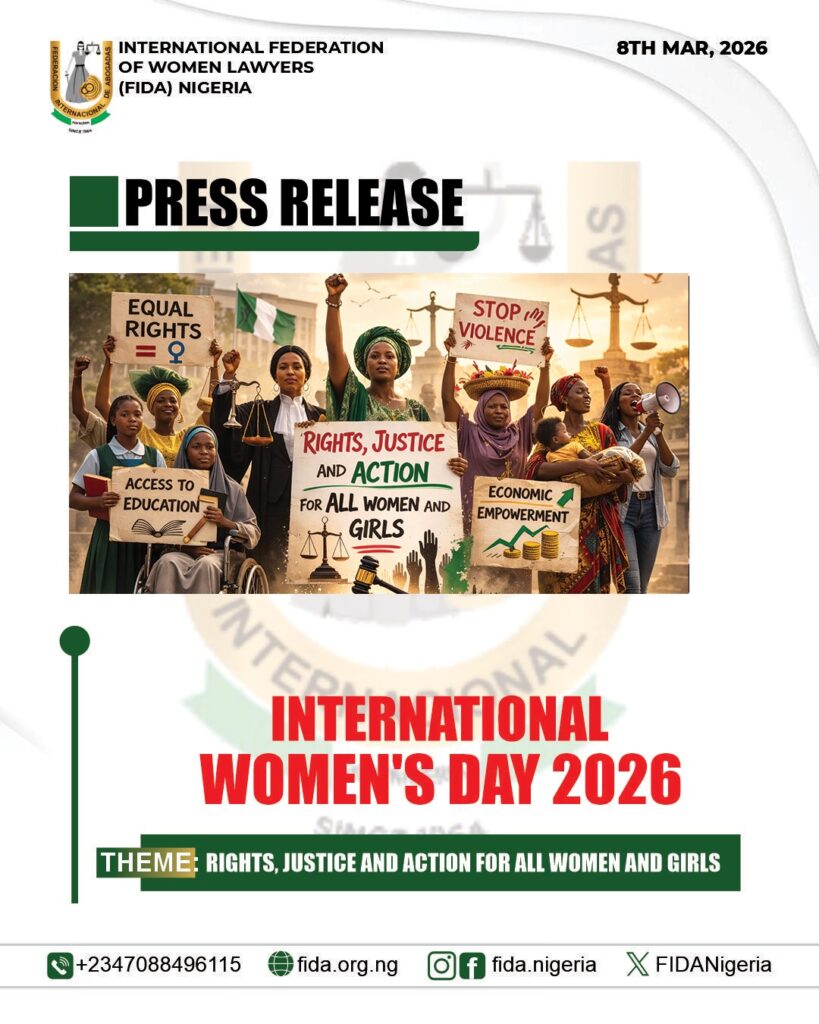
“No woman should have to negotiate for protection or wait endlessly for justice”. Driven by this conviction, FIDA Nigeria reaffirms its mission to use the law as a shield for the vulnerable and a voice for the unheard. As part of the ongoing movement for equity, the organization remains dedicated to dismantling the barriers of exclusion and discrimination that impact women and girls. Investing in women is not just a matter of rights; it is the essential engine to accelerate progress for the entire society.
Read the full Press Release here:
https://bit.ly/4cBjuXS
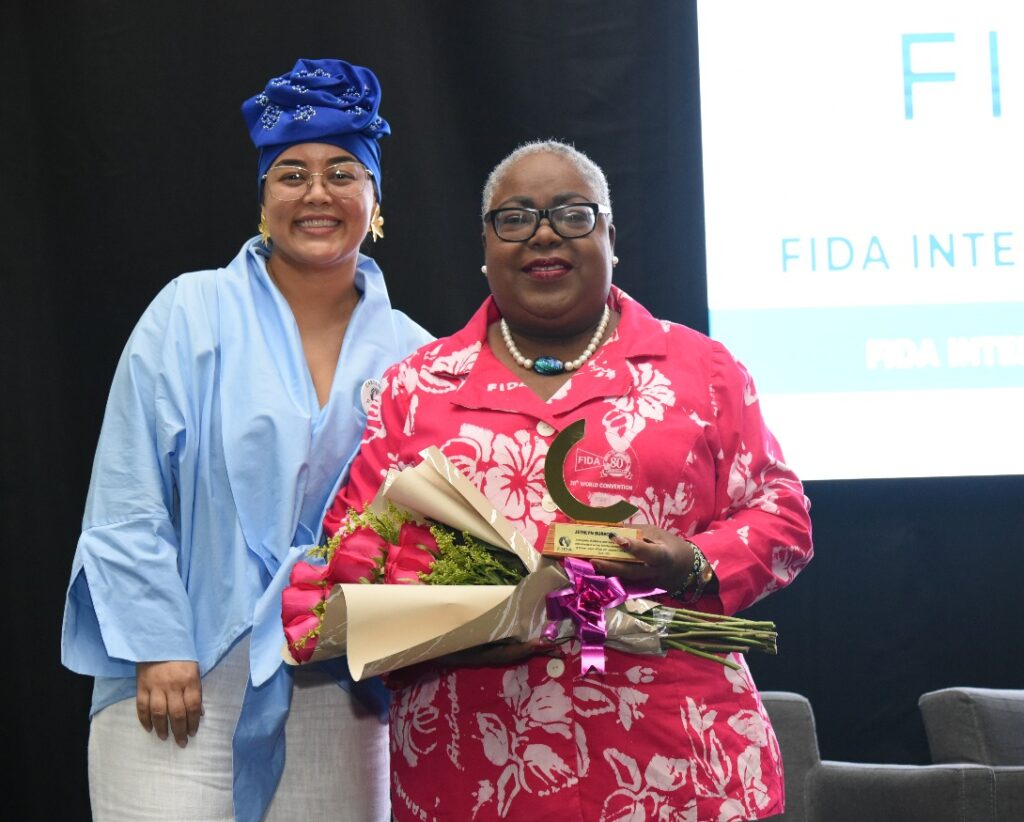
On this International Women’s Day 2026, the International Federation of Women Lawyers (FIDA) Grand Bahama Chapter proudly celebrates the extraordinary life and enduring legacy of Mrs. Jethlyn Aletha Burrows. A distinguished Counsel and Attorney-at-Law with over three decades of service, Mrs. Burrows rose to become the FIDA International President (2014–2017), where she championed gender equality and legal protections for women and girls on a global scale. Her lifelong commitment was recently honored at the 38th Triennial Convention in Cali, Colombia, where she received the prestigious Lifetime Achievement Award. Mrs. Burrows remains a powerful symbol of integrity, leadership, and courage, leaving behind a profound impact on the administration of justice and the empowerment of women worldwide
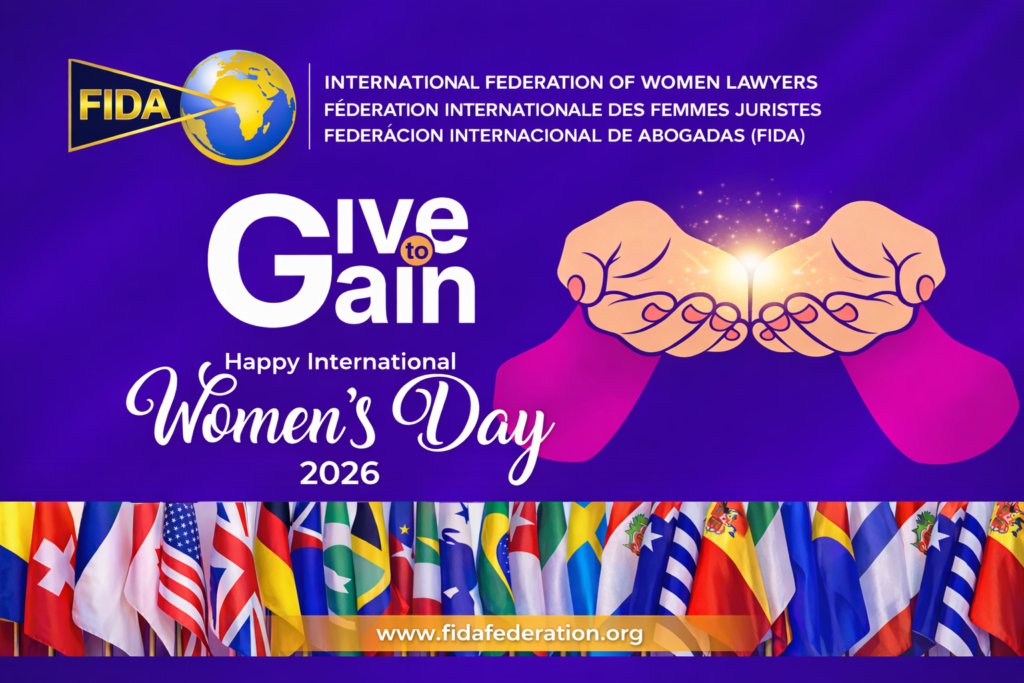
On the occasion of International Women’s Day 2026, the International Federation of Women Lawyers (FIDA) reaffirms its unwavering commitment to advancing the rights of women and girls worldwide. In this official statement, FIDA’s Global President reflects on the themes “Give to Gain” and “Rights. Justice. Action. For All Women and Girls,” emphasizing the vital role of legal empowerment, equal opportunities, and collective action in building a more just and inclusive world.
We invite you to read the full message below.
December 3, 2025
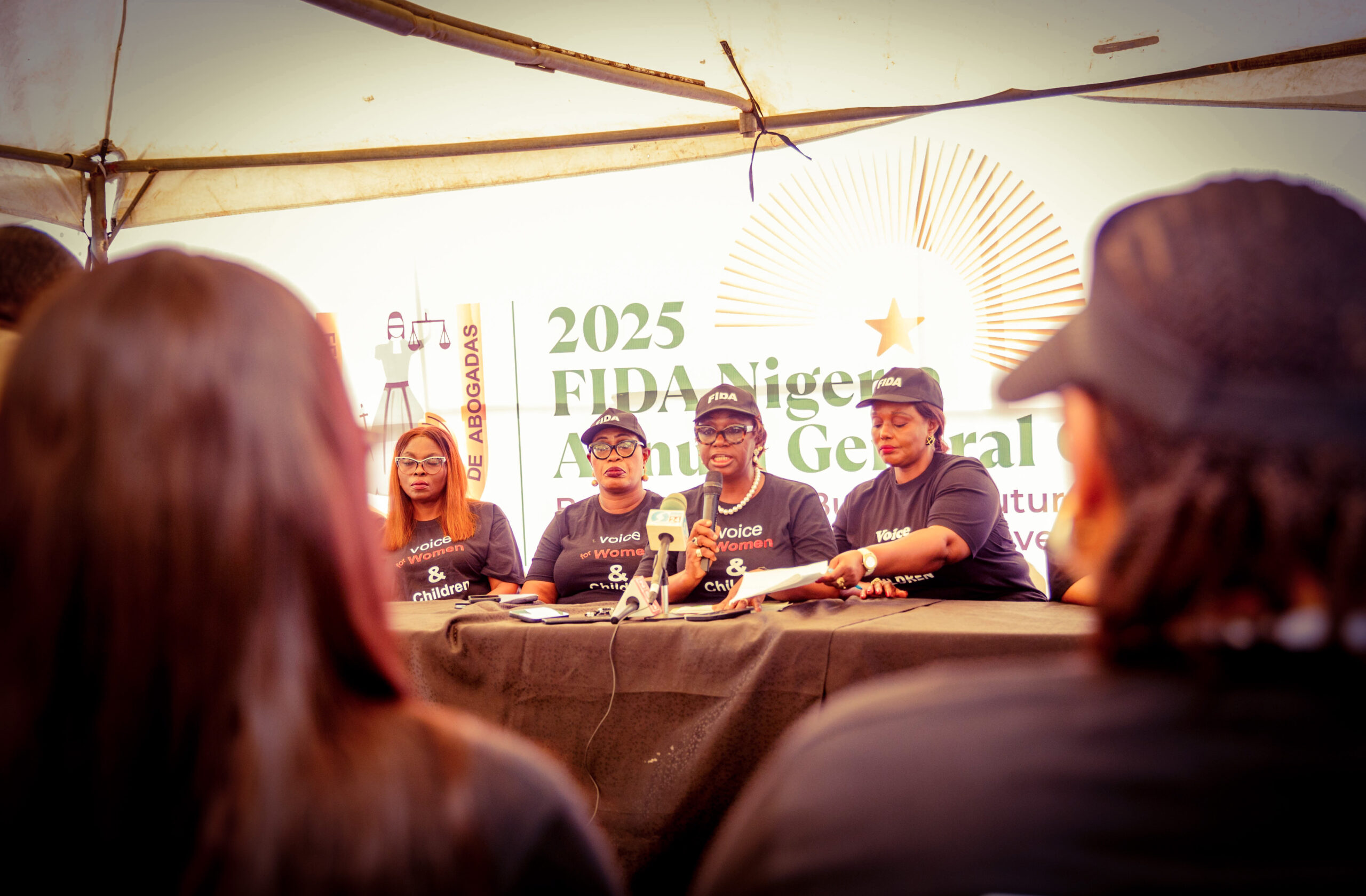
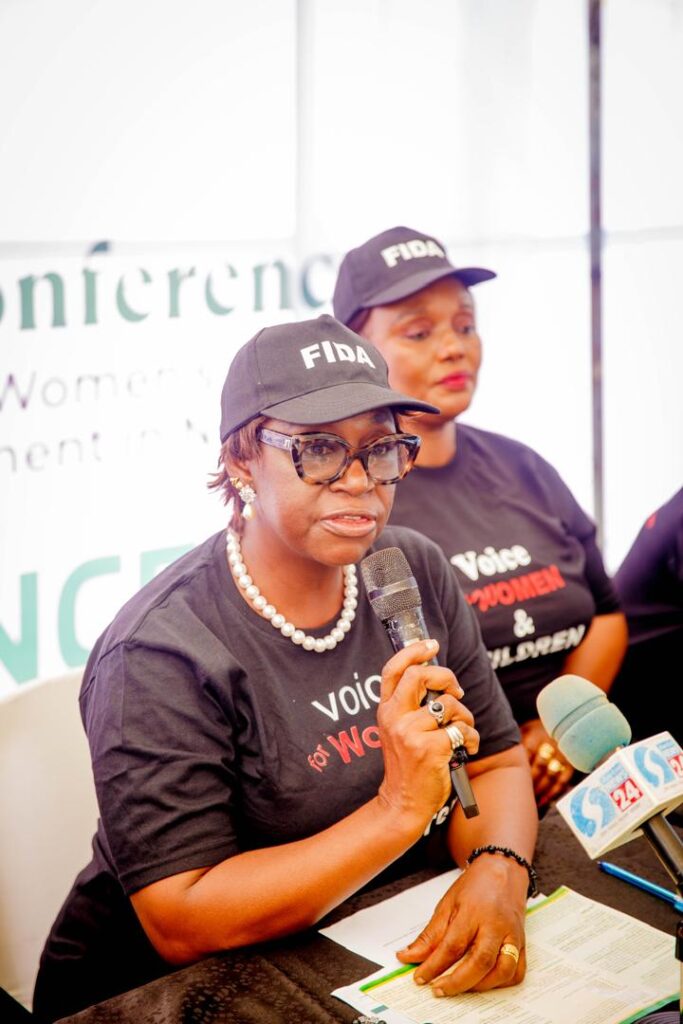
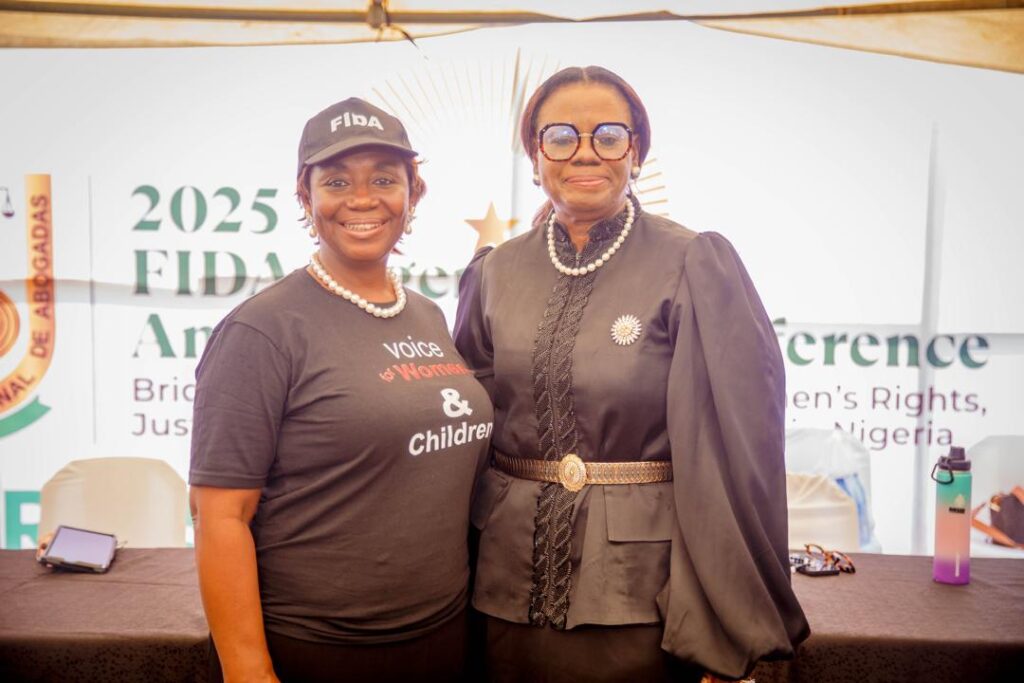
FIDA Nigeria has officially launched the 2025 16 Days of Activism campaign, reaffirming its national commitment to ending violence against women and girls, with a particular focus on the rising forms of digital abuse.
During the opening ceremony, the National Vice President emphasized the persistent impact of gender-based violence and its profound implications for human rights. She noted that the digital environment has become a new frontline, where cyberbullying, impersonation, image-based abuse, and other online violations produce real psychological and social harm.
FIDA Nigeria reiterated the importance of strengthening the enforcement of the Violence Against Persons Prohibition Act (2015) and the Cybercrimes Act (2015), ensuring that digital violations are effectively addressed under the law.
Across its branches, the organization will intensify awareness campaigns, legal assistance, digital safety education, and reporting guidance, with special attention to vulnerable groups.
FIDA Nigeria called on government institutions, technology platforms, civil society, and communities to assume collective responsibility in addressing both traditional and digital forms of violence. The 2025 campaign is now officially underway, encouraging nationwide engagement throughout the 16 days.
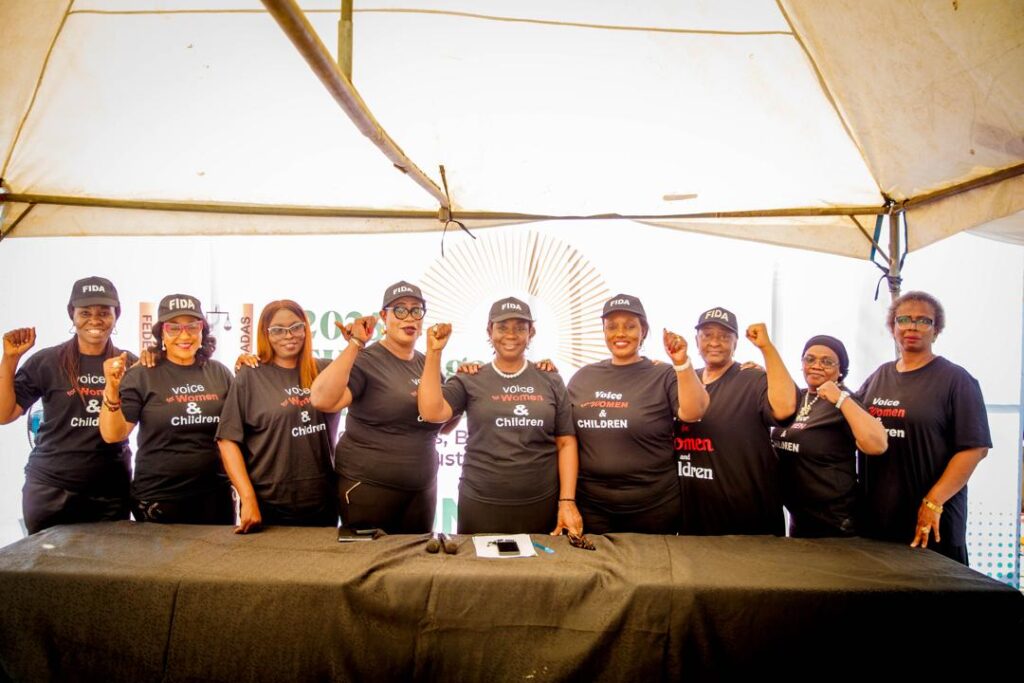
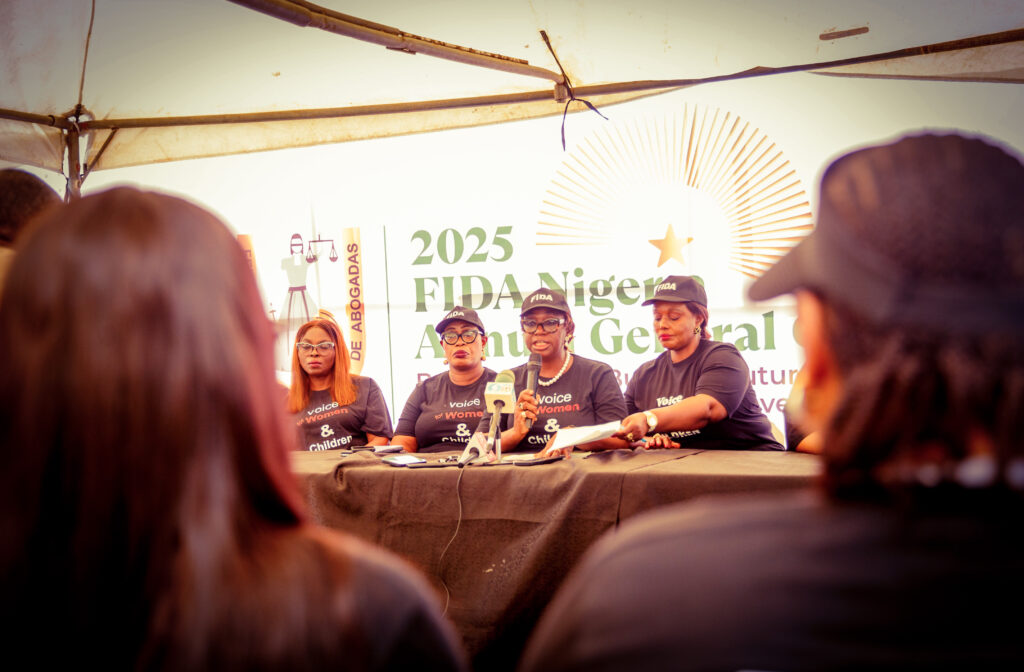
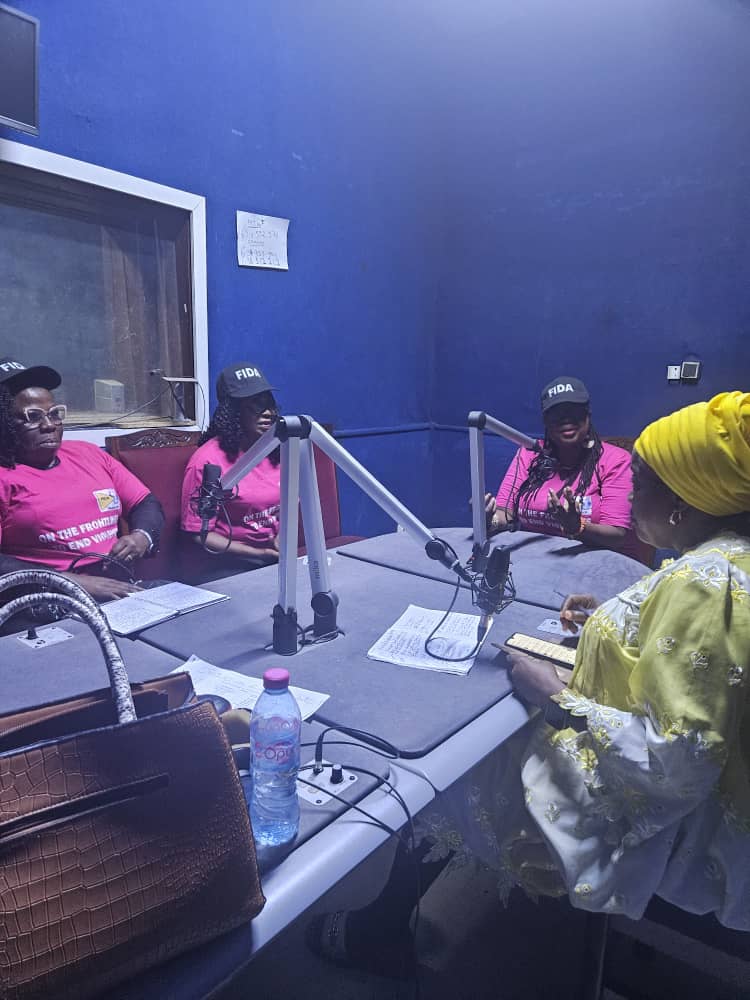
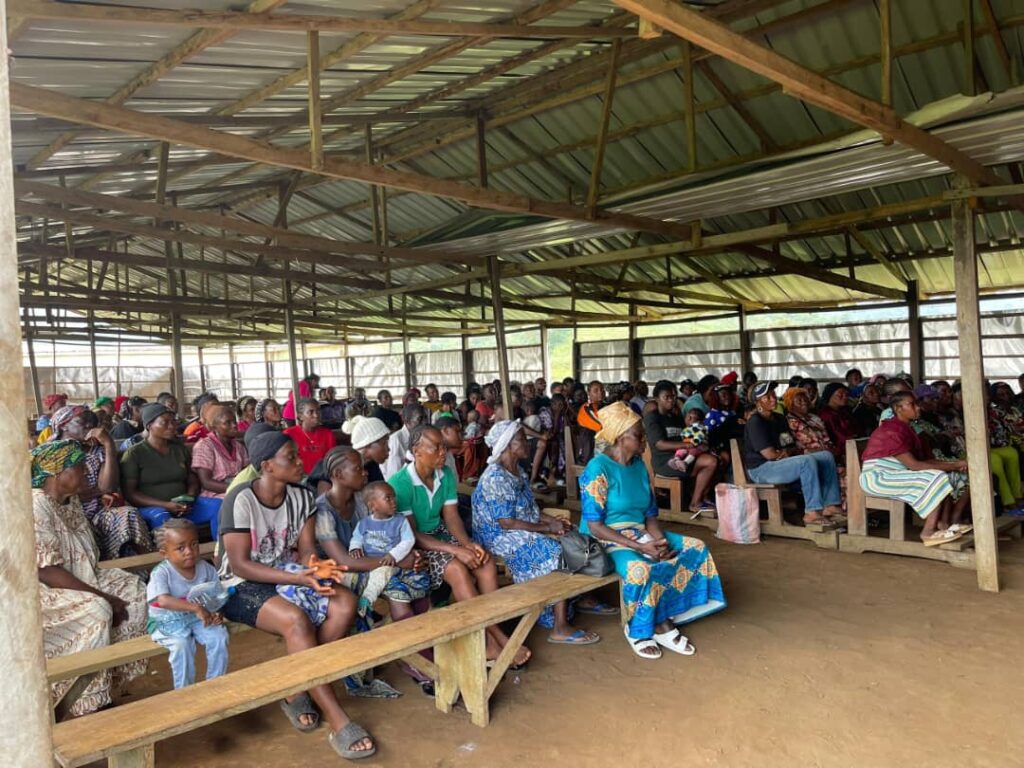
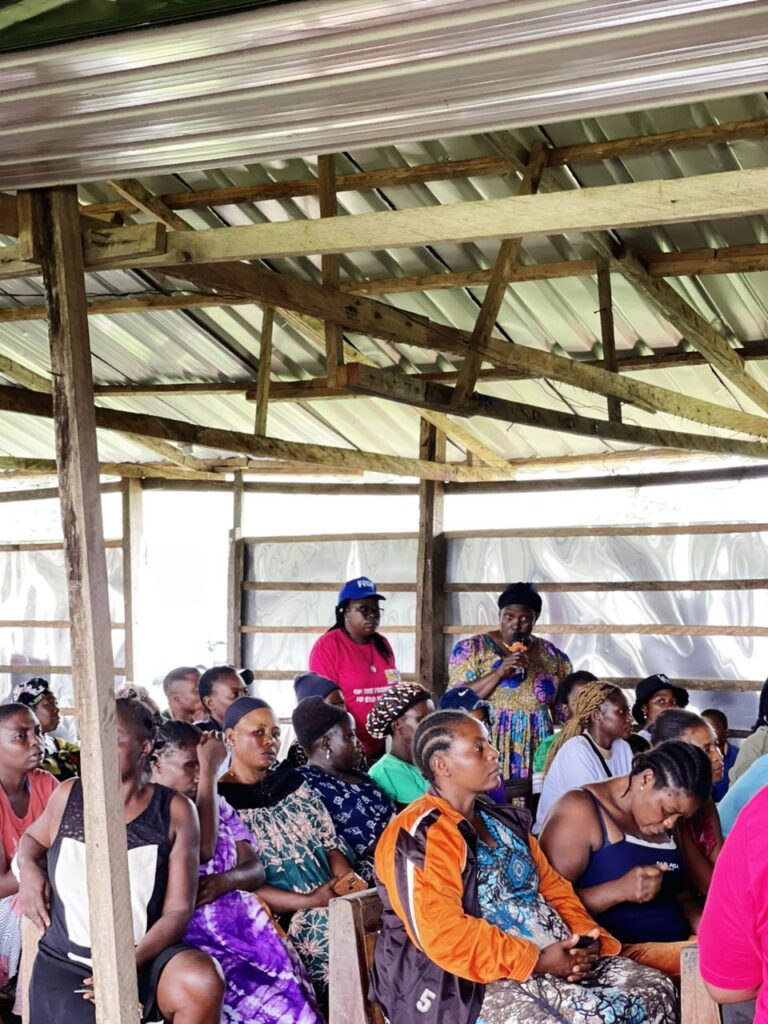
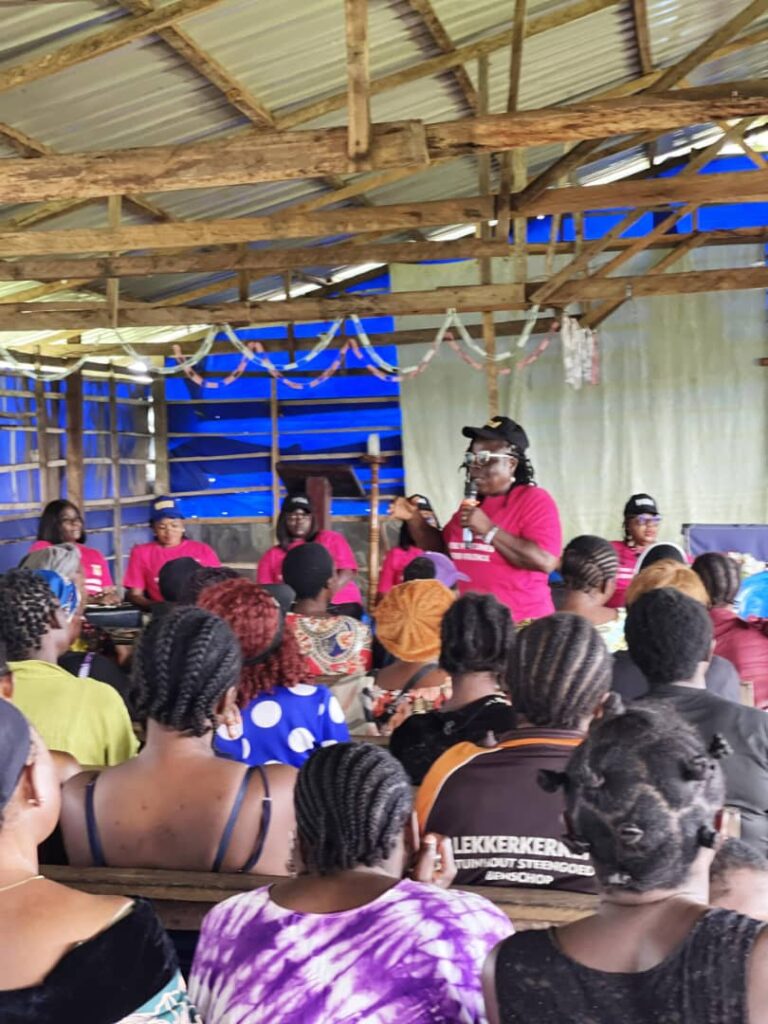
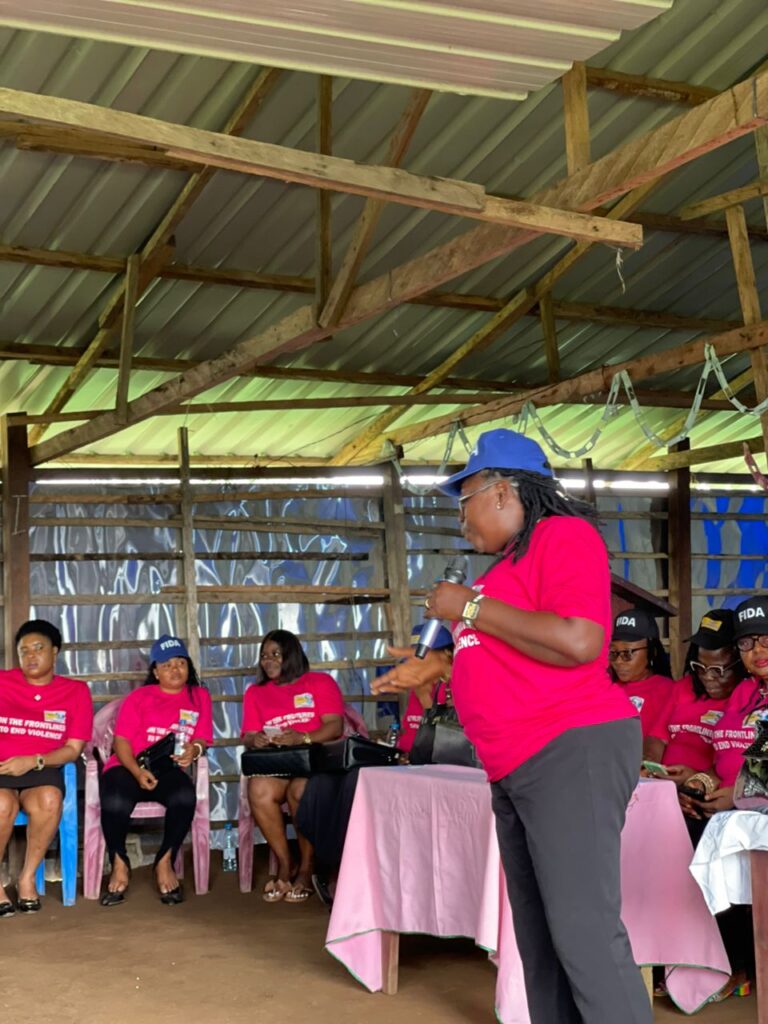
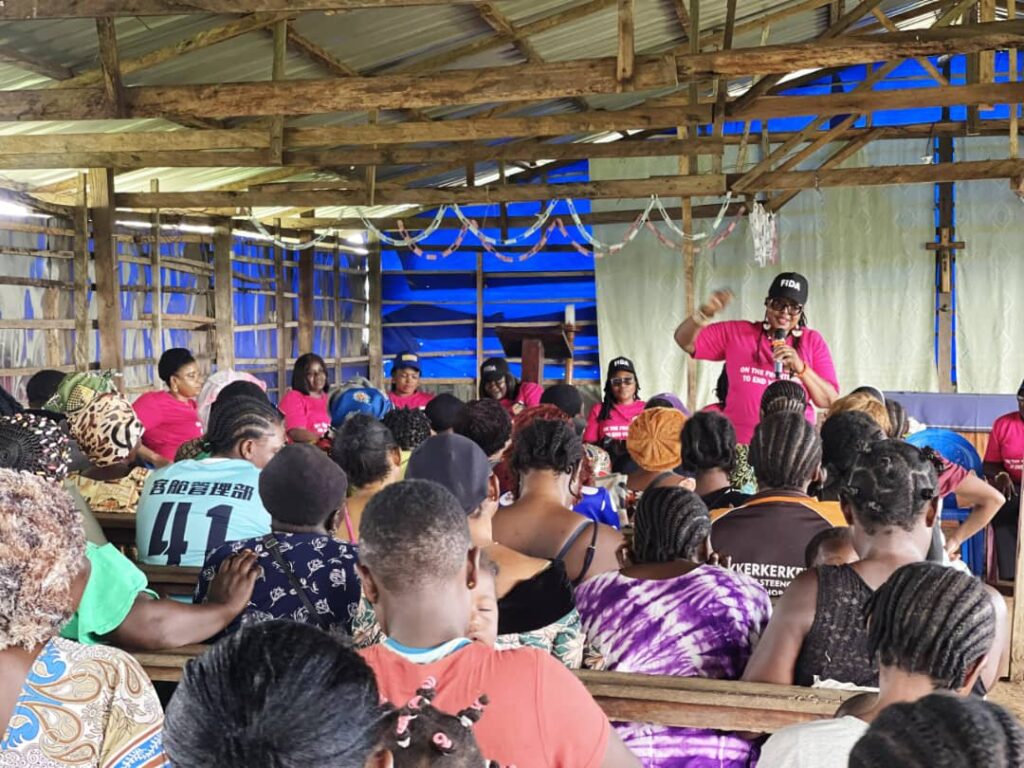
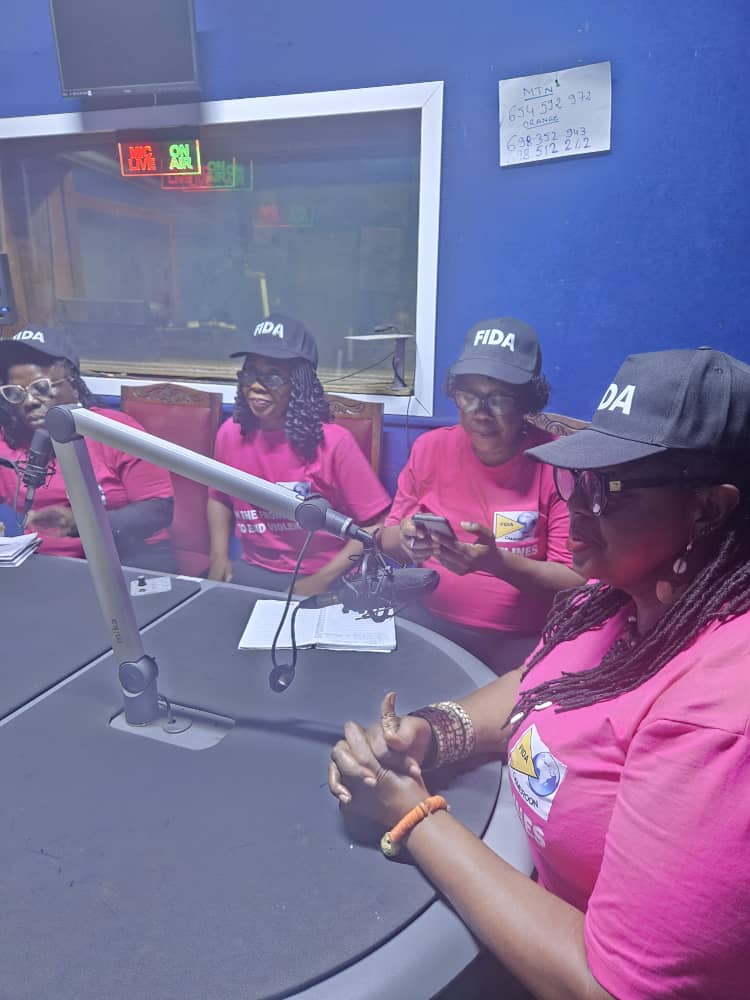
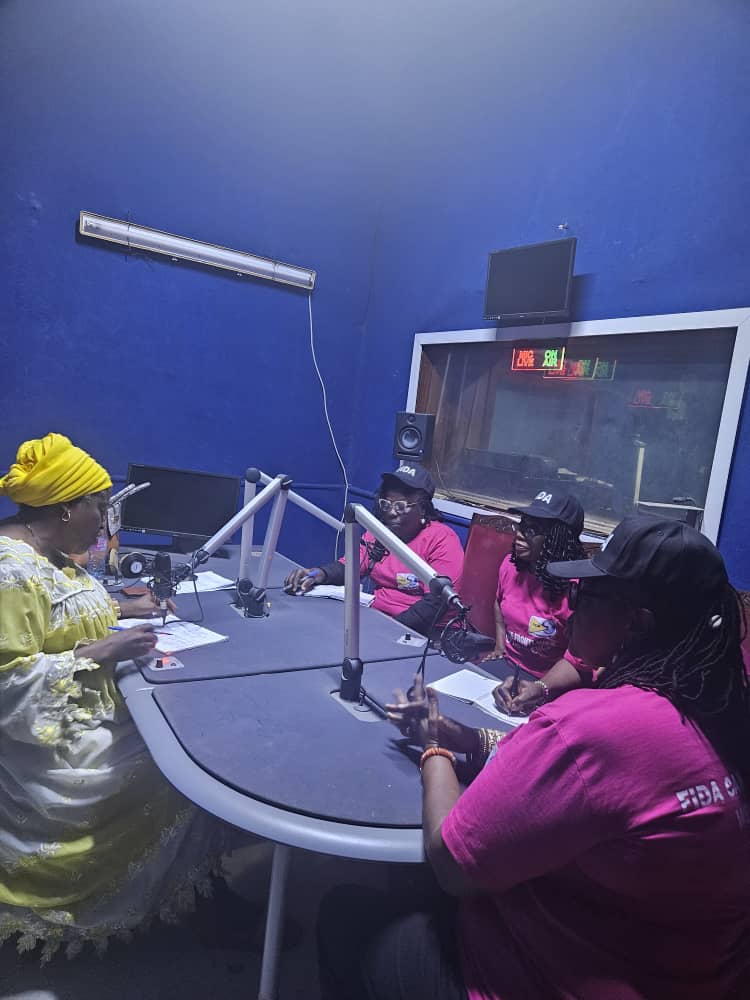
FIDA Cameroon outreach in a grassroot community called Tole Village in Cameroon. We enlengthened them on the meaning of digital violence , various forms of digital violence, it’s consequences, ways of preventing digital violence and the importance of ending violence against women and girls.
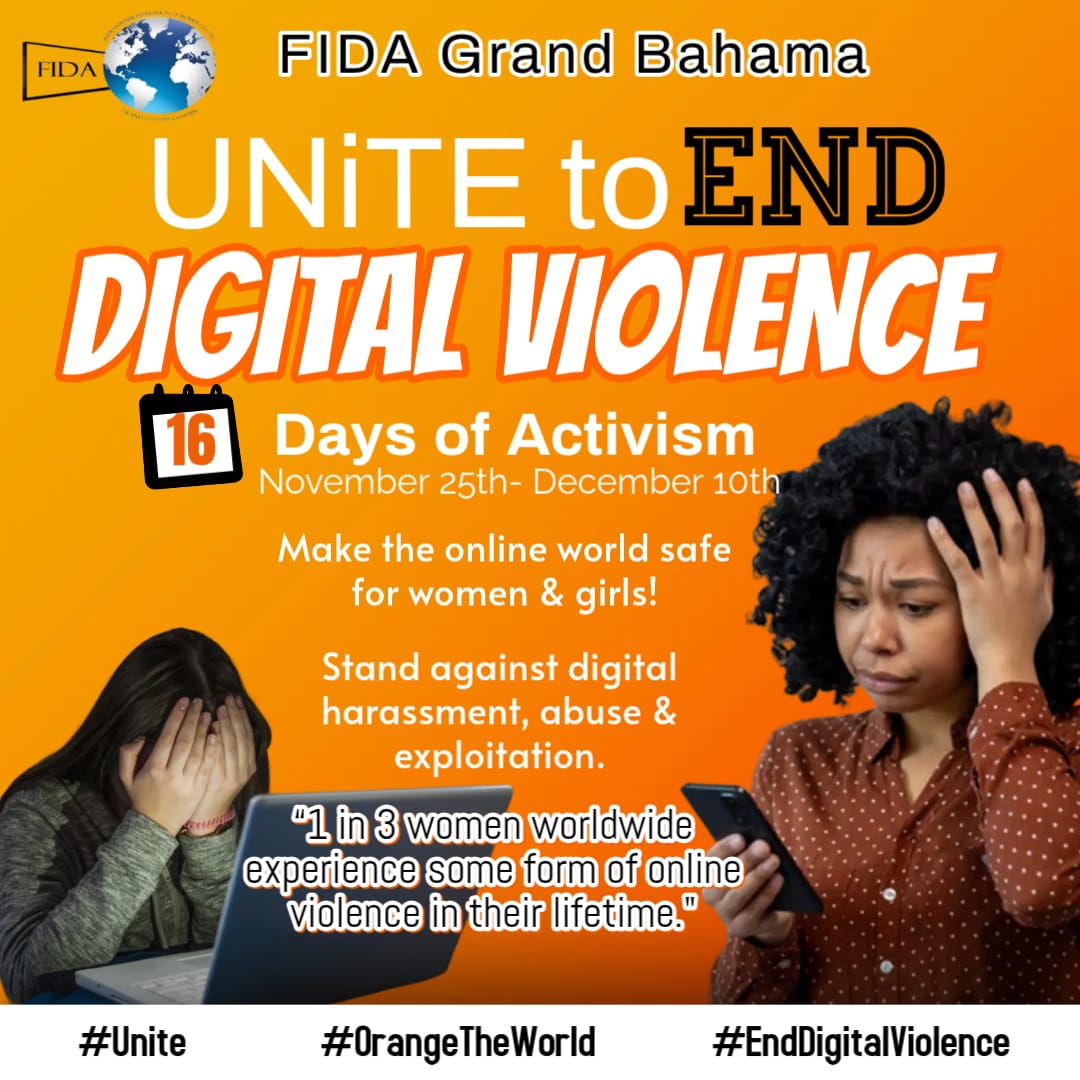
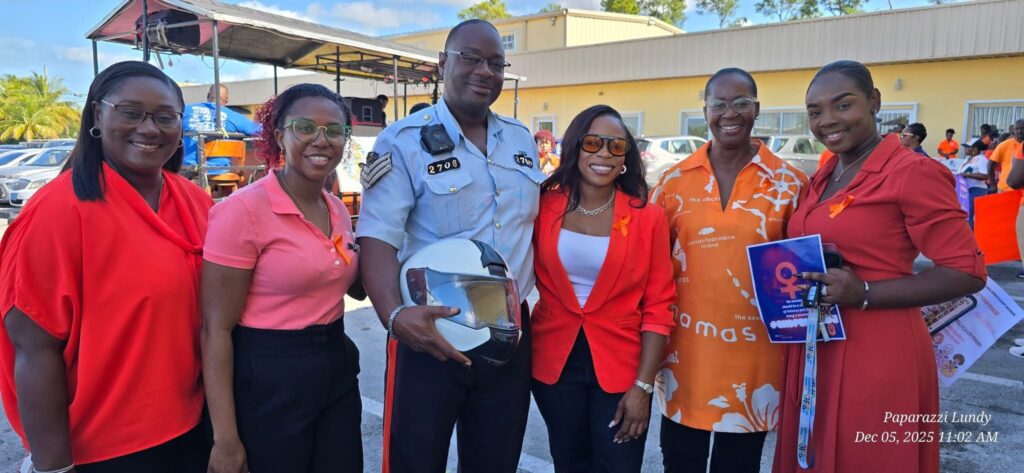
FIDA Grand Bahama was pleased to participate in a march organized by the Department of Social Services in recognition of the UN 16 Days of Activism Against Gender Based Violence.
We were proud to stand with our partners and community advocates to raise awareness and reaffirm our commitment to ending violence in all its forms.
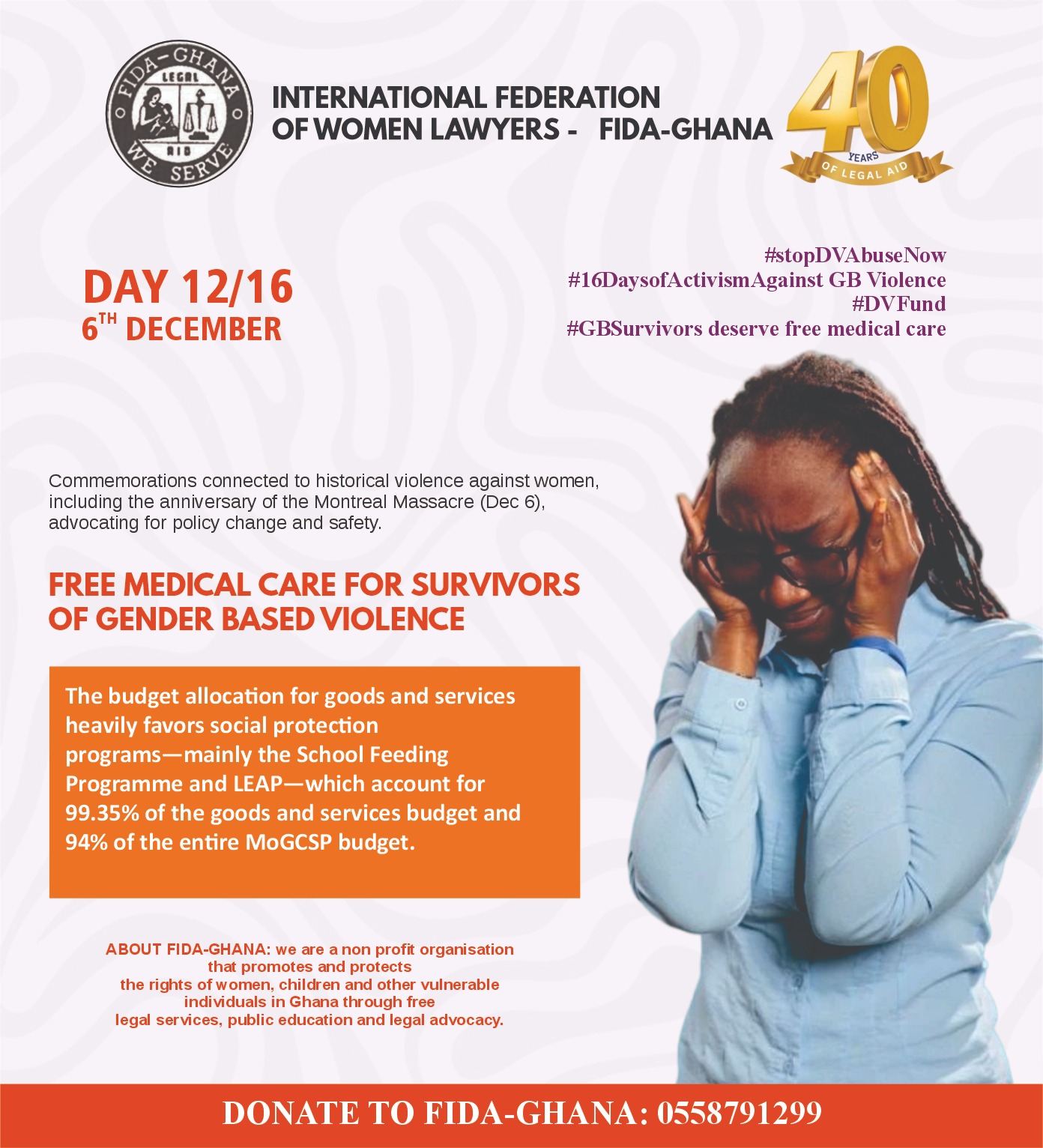
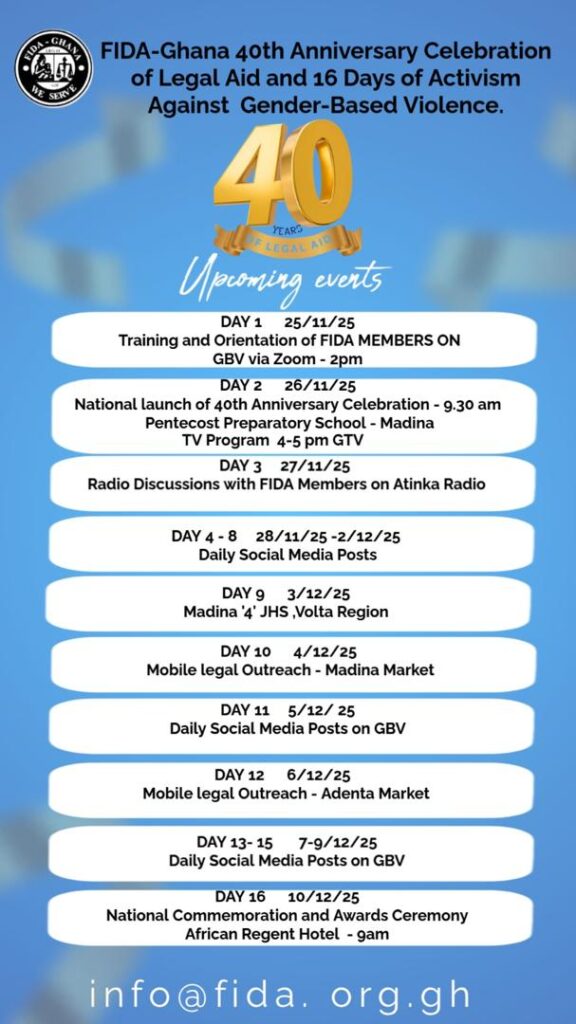
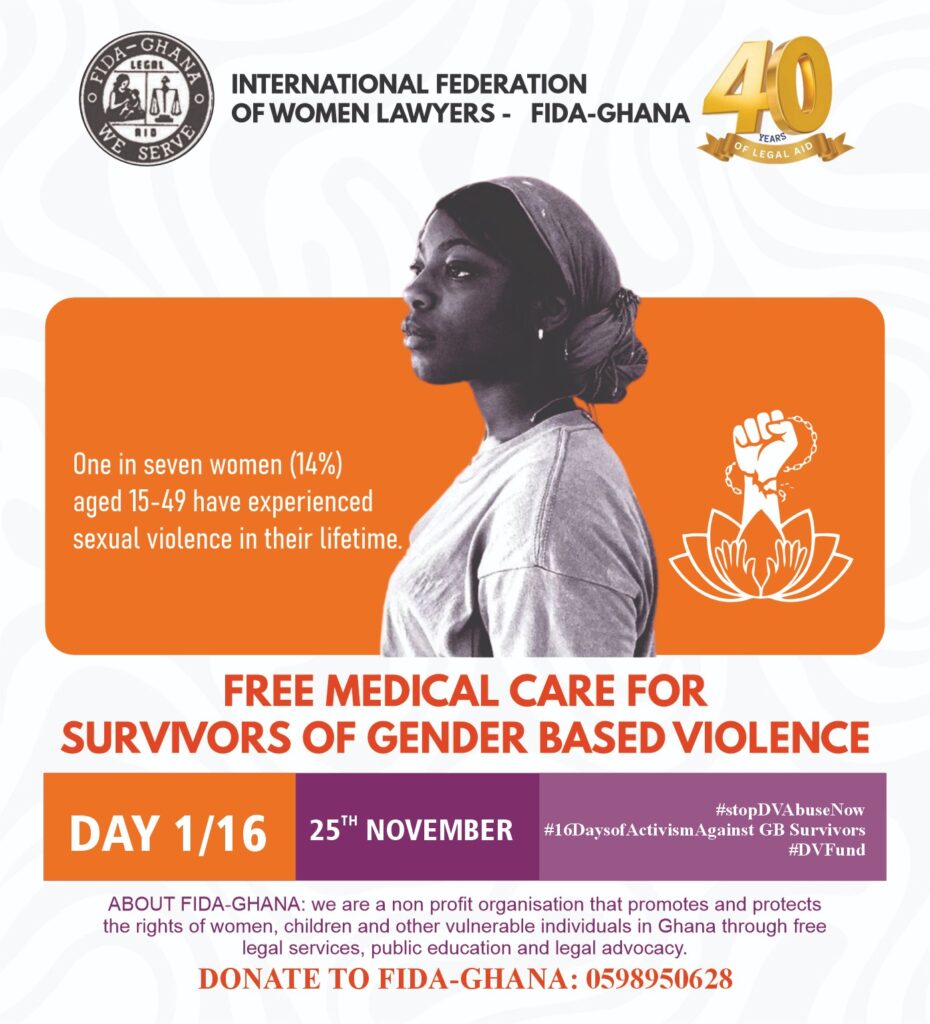
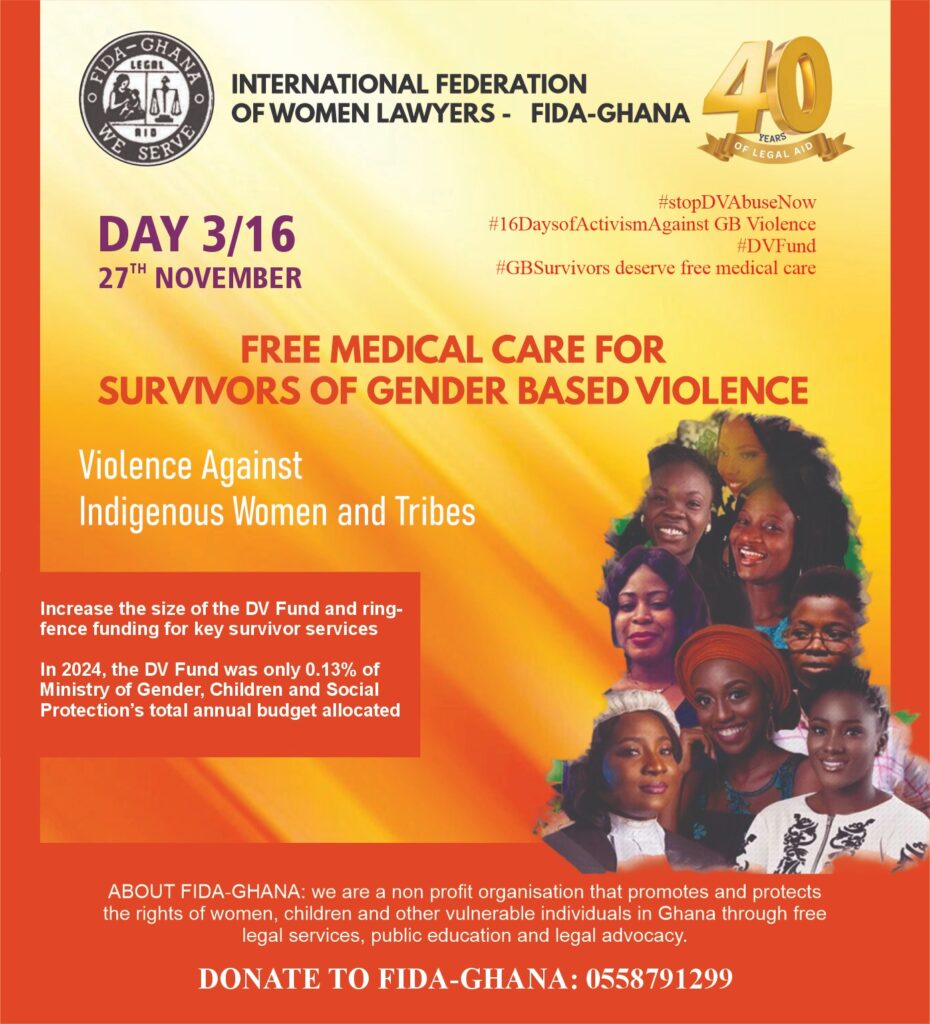
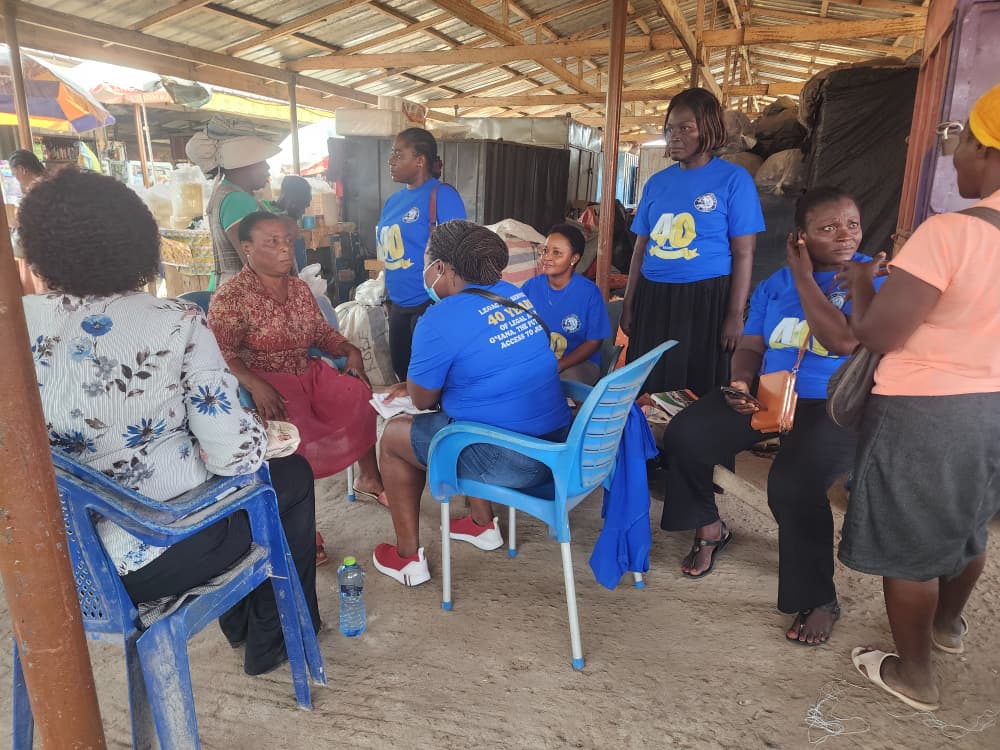
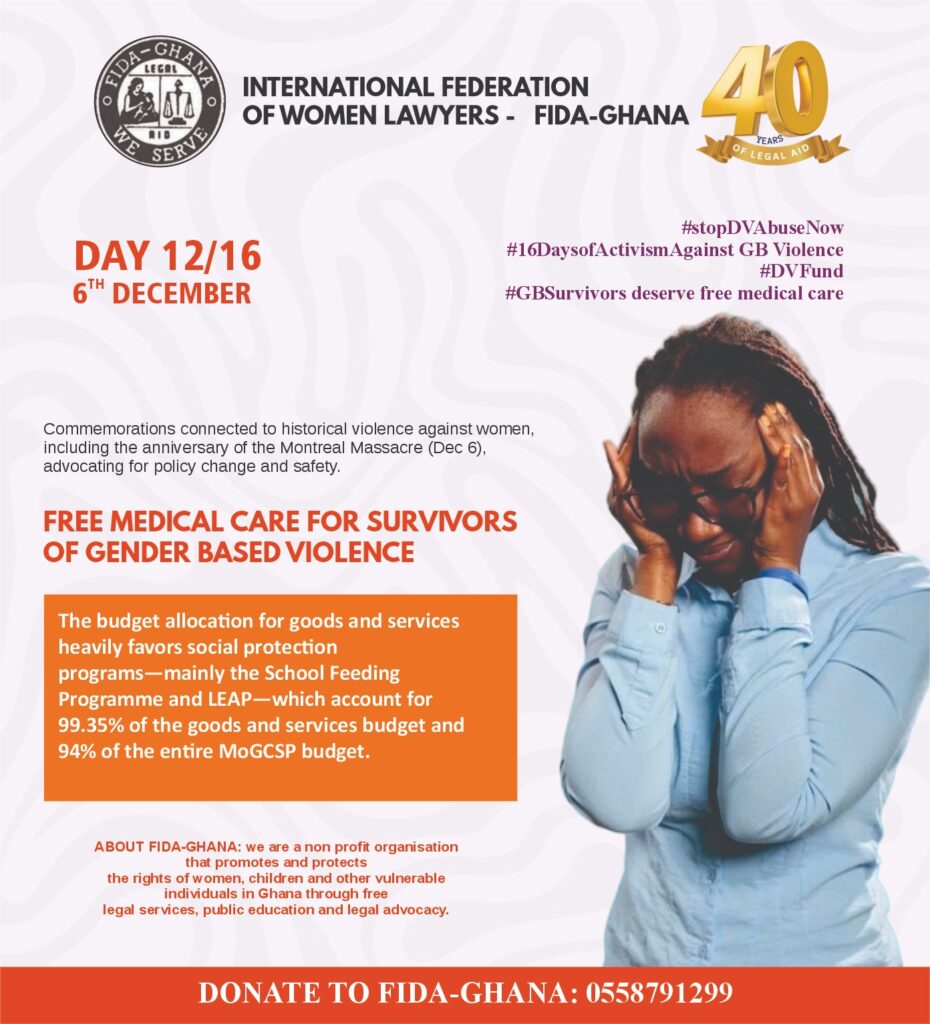
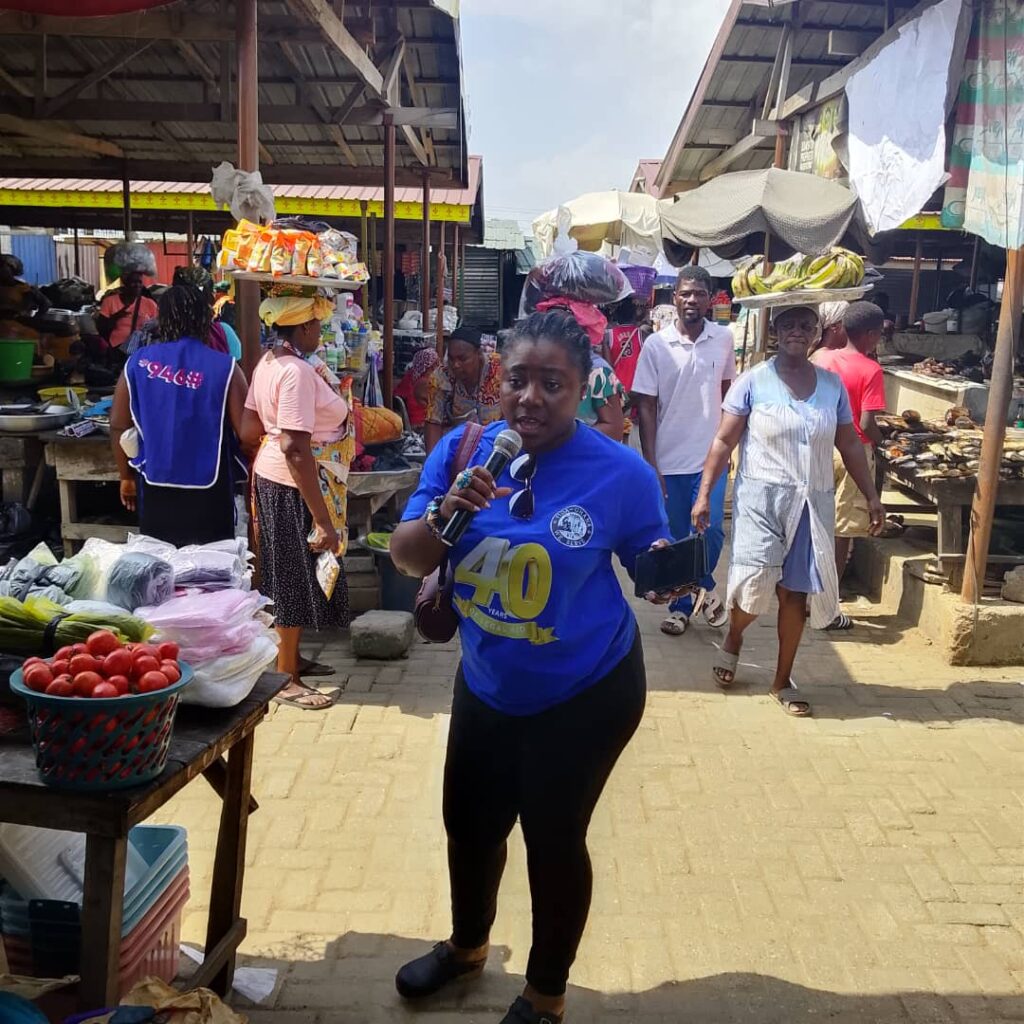
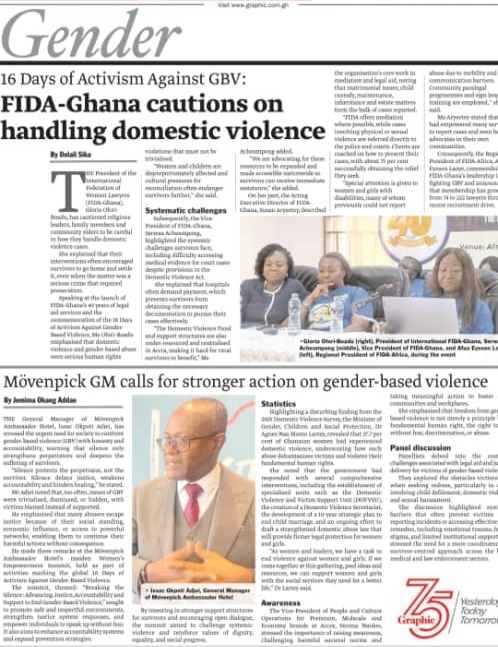
On Day 12 of the 16 Days of Activism, we highlight the work of FIDA Ghana during its market outreach activity. The organization continues to provide free legal aid services to vulnerable individuals, including survivors of gender-based violence. This year, FIDA Ghana marks forty years of delivering essential legal services in the country.
FIDA Ghana offers key support, from mediation to court referrals, but it needs increased assistance to sustain and expand its work.
We invite the public to join in strengthening FIDA Ghana’s efforts and supporting those seeking justice. Donating, volunteering, or sharing this message makes a meaningful difference.
Together, let us help break the silence and contribute to a safer Ghana for all.

November 29, 2025
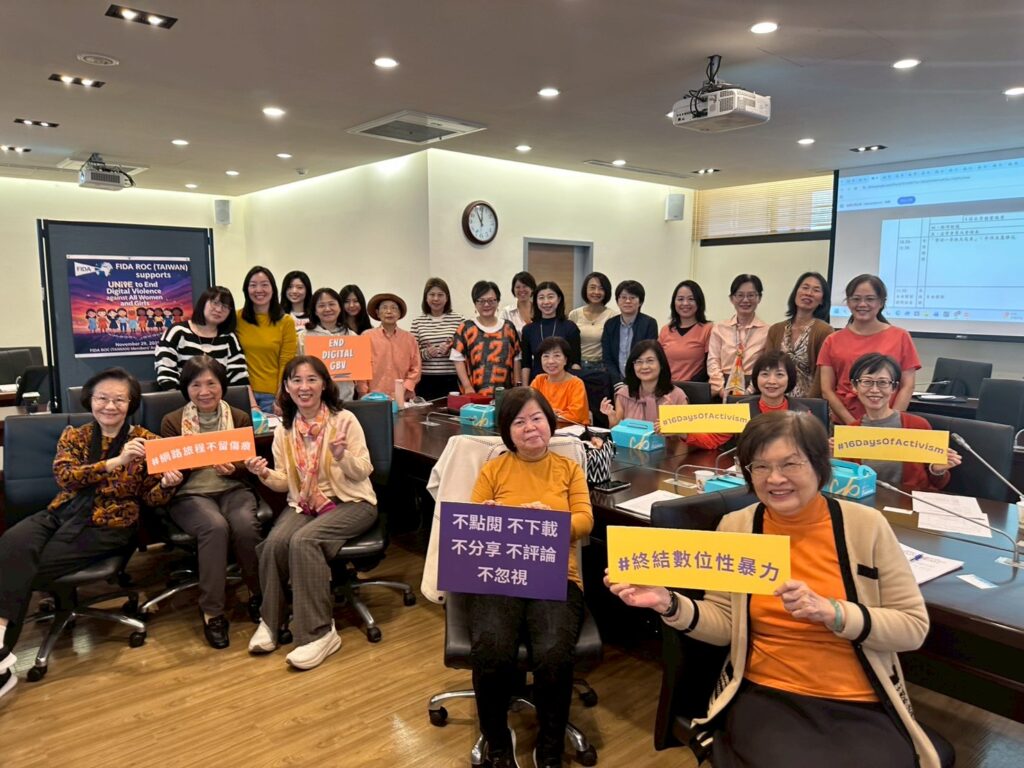
In response to FIDA International’s initiative to support the United Nations’ advocacy of “UNiTE to End Digital Violence against All Women and Girls”, the International Federation of Women Lawyers ROC (Taiwan)) held a general meeting on November 29, 2025, calling on the society to confront this issue. We also propose four actions: 1. Promote Lawful and Responsible Digital Awareness; 2. Build a Safer Online Environment; 3. Advance Legal Reform and Policy Proposals; 4. Mobilize Advocacy Through Social Platforms.
The international Activism to End Gender-based Violence campaign runs annually for 16 days, from the International Day for the Elimination of Violence against Women on November 25 to International Human Rights Day on December 10. For 2025, the United Nations has designated the theme “UNiTE to End Digital Violence against All Women and Girls” with orange as the campaign’s symbolic color—representing hope and freedom from violence.
The safety of women and girls in digital spaces has become an increasingly pressing concern. Under the initiative of FIDA International, the International Federation of Women Lawyers – Republic of China (FIDA ROC (Taiwan) calls upon society to confront the reality that, while digital platforms have transformed our world, they have also enabled widespread misuse and abuse. Growing numbers of women and girls face online stalking, digital harassment, non-consensual sharing of images, and other forms of technology-facilitated violence. These acts violate human rights, inflict actual and lasting harm, and too often silence victims.
Digital violence is not an isolated issue. It affects families, communities, and society as a whole; deepens inequalities; restricts participation; and obstructs progress toward gender justice.
As part of this year’s advocacy efforts, FIDA ROC (Taiwan) urges all nations, all levels of government, institutions, and individuals to work together toward a culture grounded in empathy, respect, zero tolerance for online abuse, and strict accountability. We put forward the following actions:
1. Promote Lawful and Responsible Digital Awareness:
Monitor cases of digital violence against women and address misconceptions in a timely manner. Foster positive digital understanding, assist women in building self-protection awareness, and incorporate these issues into our Association’s legal education initiatives. Strengthen society’s resolve to reject digital violence, counter victim-blaming stereotypes, and advocate for effective protective mechanisms and raise awareness of gender respect.
2. Build a Safer Online Environment: Call upon platform operators to assume responsibility by enforcing reporting mechanisms for unlawful conduct and to cooperate with society in creating an online environment that is peaceful, inclusive, diverse, friendly, fair, and just.
3. Advance Legal Reform and Policy Proposals: Organize or co-organize seminars on legal challenges involving digital violence, invite experts to deliver keynote presentations, and propose timely law amendments. Increase regulatory rigor, impose heightened legal liability, ensure perpetrators do not receive leniency, and reinforce counseling and support measures for women victims.
4. Mobilize Advocacy Through Social Platforms: Utilize various social media channels to promote the concept of “zero tolerance for digital violence,” deepen awareness through online communication tools, and strengthen public understanding of women’s rights and gender equality.

We invite you to explore the FIDA Taiwan Chapter, a space where legal advocacy, women’s leadership, and an unwavering commitment to human rights converge. Visit their official site: https://www.fida.org.tw/
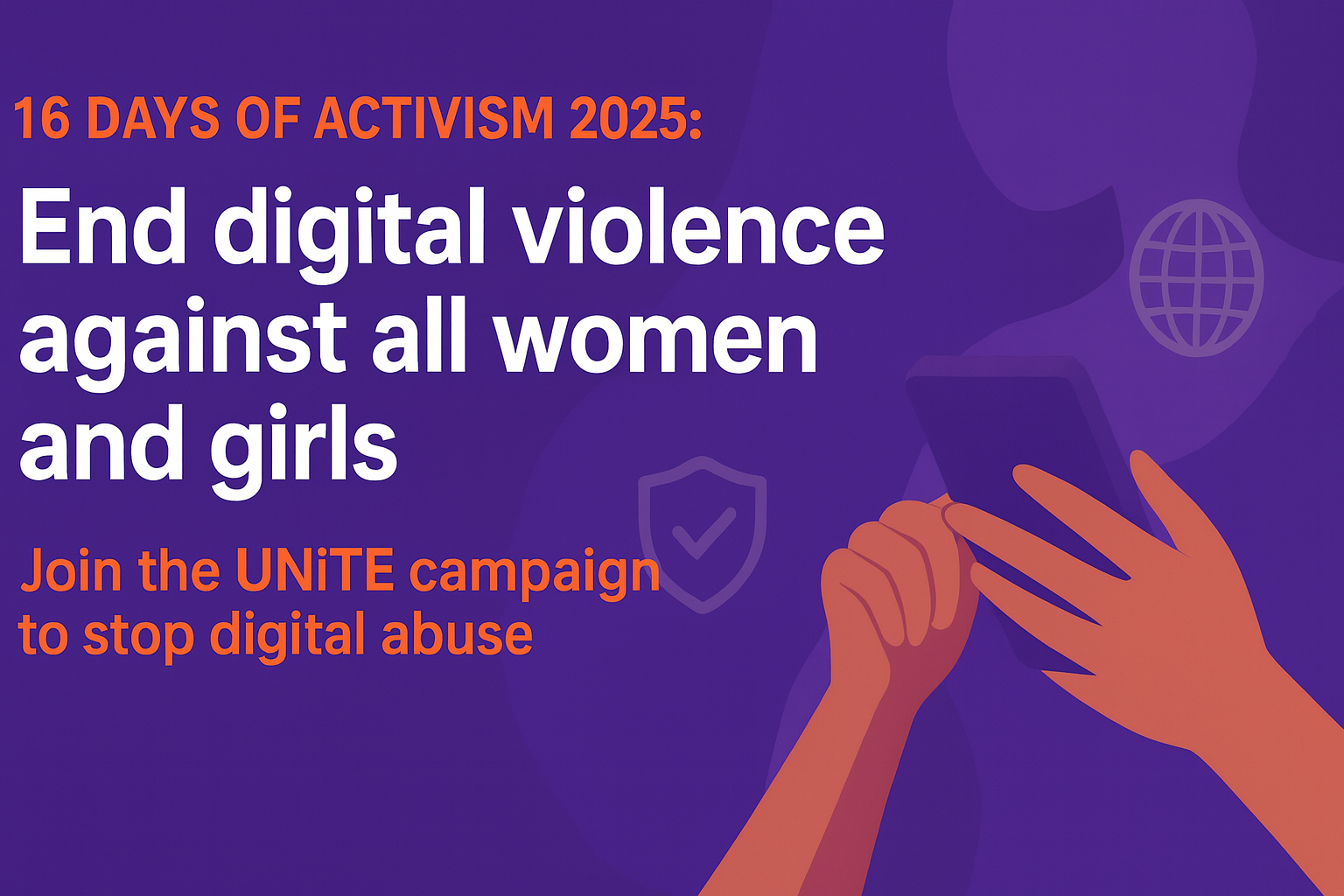
As the world marks the commencement of the 2025 UN 16 days of activism, with the theme, “UNiTE to End Digital Violence Against All Women and Girls,” The International Federation of Women Lawyers (FIDA) seeks to draw attention to an urgent and growing concern for the safety of women and girls.
Digital platforms, while transformative, have also become spaces where abuse thrives. Women and girls are increasingly subjected to cyberstalking, online harassment, non-consensual image sharing, and other forms of technology-facilitated violence acts that
inflict real and lasting harm, violate human rights, and silence voices.
Digital violence does not exist in isolation. It affects families, communities, and society at large. It reinforces inequality, limits participation, and hinders progress toward gender
justice.
As we mark this year’s campaign, FIDA calls on States, Governments, Institutions, and Individuals to commit to fostering a culture of empathy, respect, and zero tolerance for online abuse. Accountability is key. Therefore, all must take responsibility for preventing and
addressing digital violence.
FIDA calls for positive action to prioritise digital literacy and amplify the voices of survivors.
We demand laws, regulations, and policies that safeguard women and girls in online spaces.
When technology is safe, inclusive, and equitable, it becomes a powerful tool for
empowerment.
Together, let us all work towards a future where technology uplifts, protects, and advances the rights of women and girls. Let us UNiTE to end digital violence and build a world where every woman and girl can live with dignity and safety online and offline.
Every action counts!
Ezinwa Okoroafor
Global President
November 25th 2025