Justice Without Borders
Why Justice Still Feels Out of Reach for Millions of Women
By Lillian Okenwa
Legal protections for women have expanded across much of the world over the past generation. Yet for millions, the greatest challenge is no longer whether rights exist, but whether those rights can be turned into meaningful protection when they are needed most.
The courthouse opens at nine o’clock.
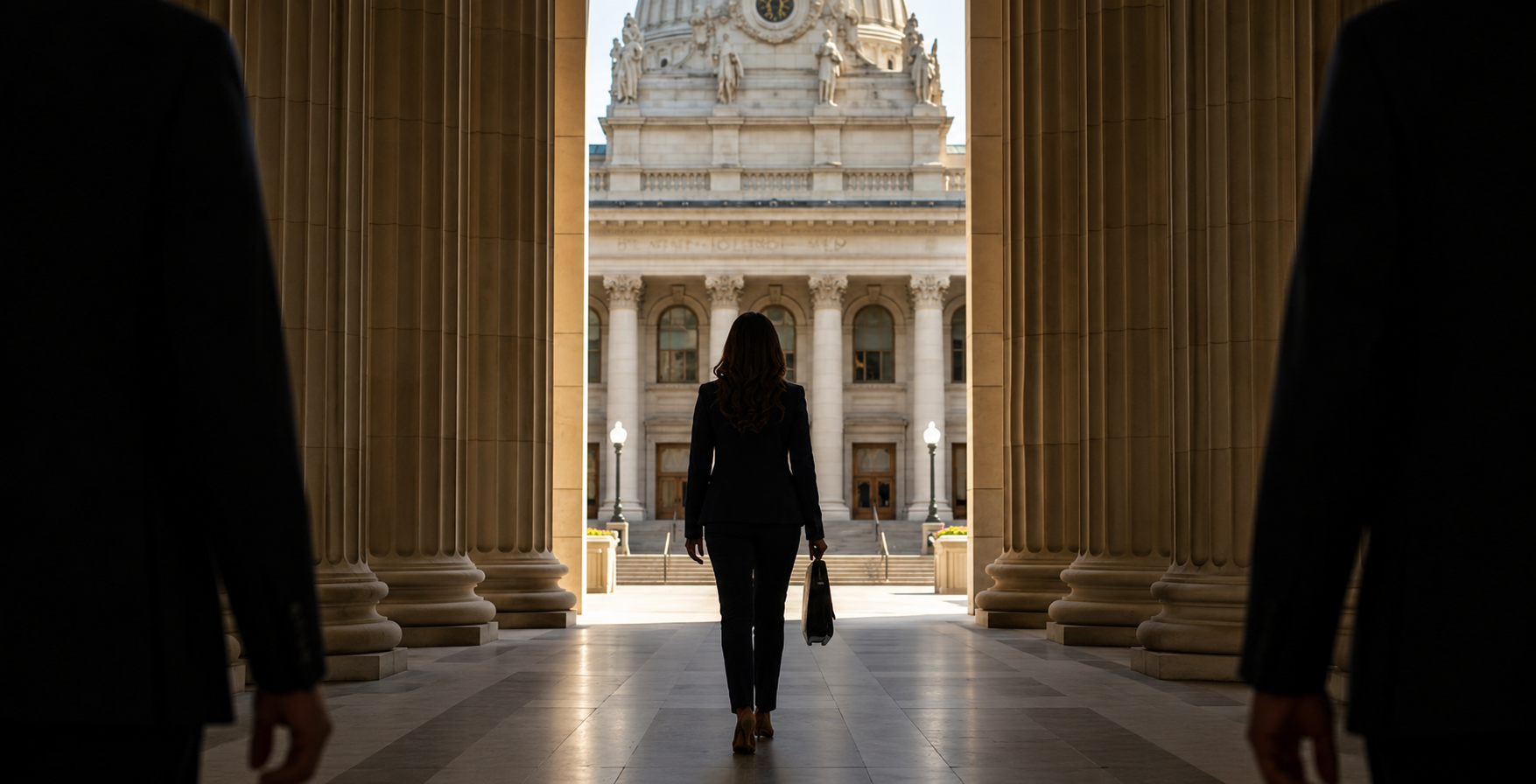
By then, she has already travelled for hours. She has borrowed money for transport, arranged for someone to care for her children and missed another day’s income. When her case is finally called, it lasts only a few minutes before another adjournment sends her home with little more than a new date written on a piece of paper.
Her story could unfold almost anywhere.
She may be seeking protection from domestic violence. She may be fighting for custody of her children, equal pay, inheritance, protection from workplace harassment or recognition of land rights. The details differ from one country to another, but the experience is remarkably familiar. Having rights and being able to rely on them are not always the same thing.
That gap deserves far more attention than it often receives.
Across the world, governments have adopted stronger laws to protect women. Courts have delivered landmark judgments that have expanded constitutional rights. International agreements have reinforced commitments to equality, non-discrimination and protection from violence. On paper, the legal landscape has changed significantly.
For many women, however, the journey from legal promise to practical justice remains long, uncertain and, in some cases, impossible.
The reasons are rarely identical. In one country, the nearest court may be hundreds of kilometres away. Elsewhere, legal representation is beyond the reach of ordinary families. Some women abandon their cases because proceedings stretch over several years. Others are discouraged by fear, social stigma or economic dependence. Refugees may struggle with documentation. Women living with disabilities may face physical barriers before they even reach a courtroom.
No single obstacle explains why justice remains elusive. More often, it is the accumulation of small barriers, each making the next step a little harder, until many simply stop trying.
That reality reminds us that justice is measured not only by the quality of a country’s laws but also by whether people can use them when their lives are upended.
This is where the conversation about women’s rights needs to evolve.
For decades, much of the world’s attention has focused—rightly—on securing legal recognition. Those efforts transformed constitutions, influenced legislation and strengthened international human rights standards. The next challenge is different. It asks whether those legal protections are reaching the people they were designed to serve.
Encouragingly, there are signs of progress.
In different parts of the world, courts are introducing trauma-informed procedures that reduce the burden on survivors. Mobile legal clinics are bringing legal services to remote communities. Community paralegals are helping people understand their rights before disputes escalate. Digital platforms are making legal information more accessible, while legal aid organisations continue to bridge the gap between the law and those who might otherwise never benefit from it.
None of these initiatives offers a universal solution. Each reflects local realities and legal traditions.
Together, however, they point towards a simple but important idea: justice becomes stronger when institutions are designed around the needs of the people they serve rather than expecting individuals to overcome every barrier alone.
Lawyers have a vital role in that process, but they are only part of the picture. Courts require adequate resources. Police officers need training that places dignity and fairness at the centre of their work. Governments must invest in legal aid and strengthen public confidence in justice institutions. Universities should prepare future lawyers not only to interpret the law but also to understand the human experiences behind every case file.
This is not a challenge for one country or one region. It belongs to every society that believes the rule of law should be more than an aspiration.
Every generation inherits unfinished work. Earlier generations secured recognition for many of the rights women now possess. Ours is called to ensure those rights can be exercised without fear, delay or insurmountable obstacles.
Justice earns public confidence when it can be reached.
It should not depend on where a woman was born, how much she earns or whether she can afford to wait.
It should remain what every justice system promises to provide: a practical path to protection, dignity and equal opportunity.